
Every purchase = €1 donation to a pet shelter

The Ultimate Guide to Choosing the Right Harness for Your Dog
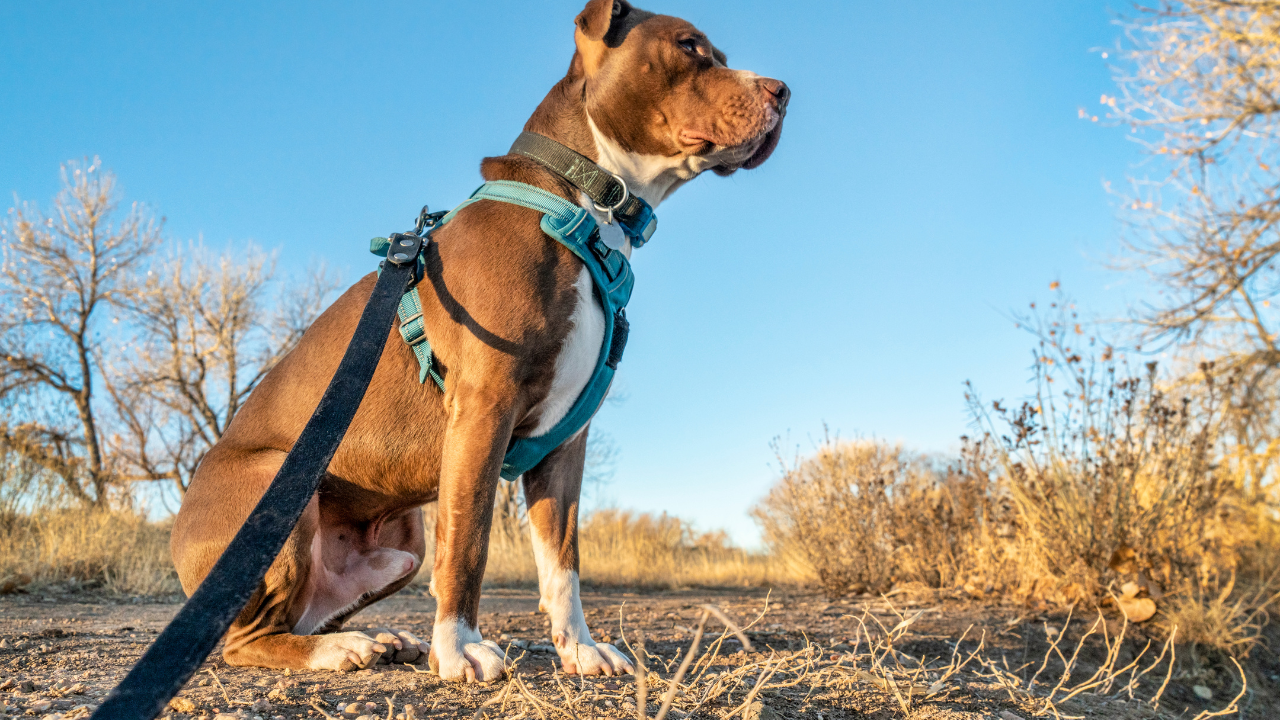
Finding the perfect harness for your dog sounds simple, but every pet parent knows it can feel like a mission. The harness that looked great online might feel stiff in the cold. The one your friend recommended might rub your dog’s chest on long walks. And the lightweight, breathable option might not survive winter rain.
For dog parents across Europe, weather matters as much as comfort. Our climates change quickly—sunny one moment, windy or rainy the next. Because of that, choosing a harness isn’t just about size or color. It’s about safety, comfort, durability, and weather-readiness.
In this guide, you’ll learn everything you need to pick the best harness for your dog, no matter the season. We’ll also look at materials, fit, styles, and practical tips based on real-world use. By the end, you’ll know exactly what to look for and what to avoid.
1. Why Your Dog’s Harness Matters More Than You Think
A harness is more than a walking accessory. It affects your dog’s behavior, safety, and confidence outdoors. While collars work for ID tags, a harness distributes weight differently. This prevents pressure on the neck—a big issue for many breeds, especially those with shorter snouts or sensitive windpipes.
The right harness can:
- Reduce pulling during walks
- Protect the neck and spine
- Improve control on busy streets
- Prevent escape for anxious dogs
- Keep your dog comfortable in rain, wind, or heat
The wrong harness can:
- Cause chafing under the arms
- Slip off during movement
- Restrict breathing
- Trap moisture and cause skin irritation
- Break during winter or rainy conditions
If you like exploring weather-friendly pet products or dog accessories, you can also check a curated collection of pet essentials designed for European pet parents here: pet food and accessories.
Before choosing a harness, it helps to understand the common types available and what makes each one suitable for different lifestyles and seasons.
2. Types of Dog Harnesses (and Which One Fits Your Dog’s Lifestyle)
Different dogs need different harnesses depending on their energy level, walking style, and sensitivity. Here are the most common types:
Step-In Harness
This style is lightweight, easy to wear, and ideal for calm dogs who don’t pull. It works well in summer because it doesn’t trap heat. However, it may not offer enough support during winter when your dog wears layers under it.
Ideal for:
Small breeds, senior dogs, short walks.
No-Pull / Front-Clip Harness
Designed to reduce pulling by redirecting your dog’s movement, this option gives great control. Many no-pull harnesses come with padded straps, making them comfortable during colder months.
Ideal for:
Energetic dogs, strong pullers, urban walks.
Adventure or All-Weather Harness
These are durable harnesses made for long walks, rain, and rough terrain. They often come with breathable padding, reflective strips, and reinforced stitching. They’re great for European climates that shift suddenly.
Ideal for:
Active dogs, hikes, rainy or windy regions.
Vest-Style Harness
Soft, padded, and secure, vest harnesses are cozy for puppies and small to medium breeds. They’re warm for winter but may feel too heavy in hot summers.
Ideal for:
Puppies, toy breeds, cold weather.
Multi-Clip Adjustable Harness
These harnesses offer several adjustment points and are excellent for dogs with unique body shapes. Because they adapt well over time, they’re perfect for growing dogs or dogs wearing winter coats.
Ideal for:
Growing puppies, deep-chested breeds, dogs who wear layers.
Now that you know the types, let’s focus on how weather affects your harness choice.
3. Weather-Ready Features Every EU Pet Parent Should Look For
Europe’s climate is unpredictable. One day, the sun is shining and your dog is chasing butterflies. The next day, you’re caught in sudden rain. Because of this, your dog’s harness needs to work in several conditions—not just on “good weather” days.
1. Rain-Ready Materials
Look for waterproof or water-resistant fabrics. Choose fast-drying nylon or polyester over cotton. A wet harness can cause odors, irritation, and cold soreness.
External resource for understanding water-resistant fabric types:
Learn more about weatherproof textile properties: European Textile Standard Guide.
2. Breathability for Summer
Mesh is great for ventilation. But good mesh should be soft and durable. Avoid thin mesh that tears quickly or holds moisture.
3. Padding for Winter and Wind
European winters get cold, especially during morning and evening walks. Light padding helps protect the chest and straps from rubbing against heavier fur or winter coats.
4. Reflective Safety Strips
Short winter days mean many walks happen in darkness. Always choose a harness with reflective stitching or panels.
5. Reinforced Stitching and Hardware
Weak buckles and thin stitching often fail during rain or heavy pulling. Look for metal D-rings and sturdy straps.
6. Adjustability
Weather affects fit. In winter, your dog may wear layers beneath the harness. Adjustable straps help keep the harness secure but not overly tight.
If you’re curious about how European pet parents choose quality gear, you can also read more about the brand story here:
Learn about the team behind the curated pet essentials: our story and mission.
4. How to Choose the Perfect Fit (A Simple Step-by-Step Method)
Even the best harness won’t help if it doesn’t fit your dog. A poor fit causes rubbing, slipping, and stress. Here is the simplest method to ensure a perfect fit every time:
Step 1: Measure the Chest Girth
Use a soft tape and wrap it around the widest part of the ribcage. Keep it snug but not tight.
Step 2: Measure the Neck Area
Measure the lower neck, not the collar line. Harnesses usually sit slightly lower.
Step 3: Check the Weight Range
Some harnesses mention weight limits. Use this as a secondary check.
Step 4: Look at the Strap Width
Large dogs need wider straps for stability. Small dogs need thinner straps to avoid bulk.
Step 5: Adjust and Test
After putting the harness on, try the “two-finger rule.”
You should be able to slip two fingers between the harness and your dog’s body.
Step 6: Test Movement
Let your dog walk around the room. Watch for:
- Rubbing in the armpits
- Buckles touching the skin
- Shifting or twisting
- Gapping at the chest
Step 7: Check for Escape Risks
Some dogs “back out” of loose harnesses. For these dogs, choose a three-strap harness with an extra belly strap that prevents escape.
5. Seasonal Tips for EU Dog Parents: Walks in Rain, Wind & Sun
Your harness choice depends a lot on your local climate. European weather patterns differ depending on region. Here are helpful tips for real-world walking conditions:
1. Rainy Days
- Choose water-resistant harnesses that dry fast.
- Avoid cotton or felt padding—these stay wet for hours.
- Pair the harness with a lightweight raincoat to prevent friction.
2. Cold and Windy Days
- Use padded or vest-style harnesses.
- Check underneath frequently for moisture trapped by coats.
- Adjust the straps each season as your dog’s coat thickens.
3. Hot Summer Days
- Always pick breathable, mesh-based designs.
- Touch the harness metal parts before putting them on. Sun can heat them quickly.
- Walk early morning or late evening to prevent overheating.
4. Snowy Conditions
- Choose durable harnesses with strong buckles.
- Snow can pack into thin straps, so avoid overly narrow designs.
- Consider reflective or neon colors for visibility during dark hours.
5. Muddy Trails & Hikes
- Adventure-style harnesses with reinforced back handles work best.
- If you hike often, pick a harness with good grip for lifting your dog over obstacles.
- Wash after every muddy walk to avoid bacteria buildup.
Conclusion: Choosing a Weather-Ready Harness Makes Every Walk Better
A good dog harness makes your daily walks safer, more enjoyable, and more controlled. When you choose the right materials, fit, and weather-ready features, your dog stays comfortable in every season—rain or shine.
Whether you live in a rainy part of Northern Europe or a windy coastal area, your dog deserves a harness that works for your climate and lifestyle. With the right choice, every walk becomes smoother, every step feels more secure, and your dog gets the comfort they deserve.
And remember, quality gear doesn’t need to be confusing. Simple materials, proper fit, and smart design are enough to make a real difference. Choose wisely, adjust regularly, and your dog will thank you with every tail wag.


